
Hanging a ball in a tree is simple.
But feeding birds intelligently means understanding what happens in their little internal engine. A bird sometimes weighs less than a handful of hazelnuts... and yet its metabolism runs at the speed of a campfire in strong wind.
When the cold sets in or natural resources diminish, garden birds must double their efforts to find food.
Choosing their food wisely is essential to support their energy without disrupting their natural balance.
Why feed garden birds?
In winter, insects disappear, berries become scarce, and the ground can freeze. Birds then expend a lot of energy to maintain their body temperature.
Proper food support can:
- improve their survival during freezing periods
- help resident species get through the winter
- attract a greater diversity of birds to your garden
But be careful: yes to feeding, no to replacing nature. The ideal remains a garden rich in hedges, shrubs, and wild areas.
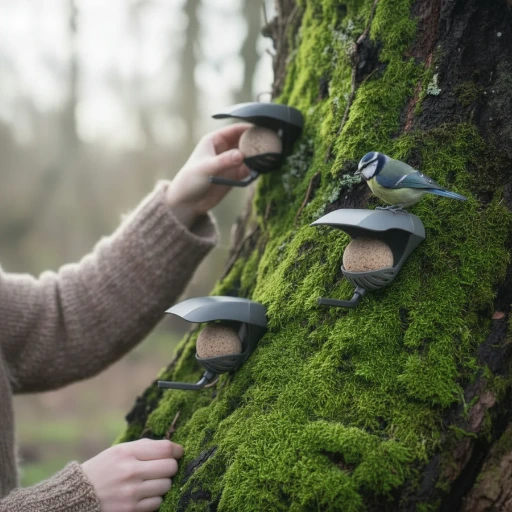
Feeding birds according to the season
1. Winter: priority to energy density
When insects disappear and the ground freezes, birds look for very concentrated foods.Animal or vegetable fatprovides them with lipids, an essential fuel to maintain their body temperature during long cold nights.
This type of food is particularly useful:
- during prolonged freezing periods
- when snow covers natural resources
- for insectivorous species that have become opportunistic in winter
💡Tip: install thefat ballsin a suitable feeder rather than in a plastic net.
2. Spring and summer: time for diversity
As soon as nature restarts,the needs change. Adults must feed their young. And the chicks need protein, often provided naturally by insects. During this time:
simple, high-quality seed mixes are more suitable
too fatty contributions can become unnecessary
the freshness of the products is essential
💡Tip:A good mix mainly contains sunflower seeds (rich in energy), possibly millet, and avoids little-consumed cereal waste.
3. Do not replace nature
Feeding should never become substituting.
A bird-friendly garden relies first on:
native hedges
berry trees
some wild areas
a clean water source
Fat balls and seeds are a temporary support, especially in difficult times.
4. Properly install a feeder
The quality of the food is not enough. The installation plays a key role.
- place the feeder more than 1.5 m off the ground
- avoid areas exposed to prevailing winds
- clean regularly to prevent diseases
- install a water point nearby
5. How to avoid common mistakes?
Here are the classic traps:
- Feeding all year round without interruption
- Using balls with plastic netting
- Placing food too close to the ground
- Choosing low-quality products rich in fillers
FAQ - Feeding garden birds
No. Feeding is mainly useful in winter and during periods of shortage (prolonged frost, snow). In spring and summer, nature provides insects and natural seeds. The ideal is to gradually adapt rather than stop abruptly.
Yes. The nets can injure the feet or beak. Prefer balls without netting and use a suitable feeder.
-> The Robin Lodge offers secure supports that protect birds while minimizing waste.
Fat balls are particularly suitable when temperatures drop below 5°C. They become essential during frost periods when natural resources are inaccessible.
Fat balls in winter and shelled sunflower seeds all year round.
Place it at least 1.5 meters off the ground, in an open area but close to a natural shelter (hedge, bush). Avoid areas accessible to cats. Clean the feeder regularly to prevent the transmission of diseases.
No. Bread does not provide the necessary nutrients and can cause deficiencies. It is better to prioritize suitable seeds and foods specifically designed for wild birds.
No. If you decide to stop, do it gradually, especially in winter. Birds get used to a regular feeding point.